


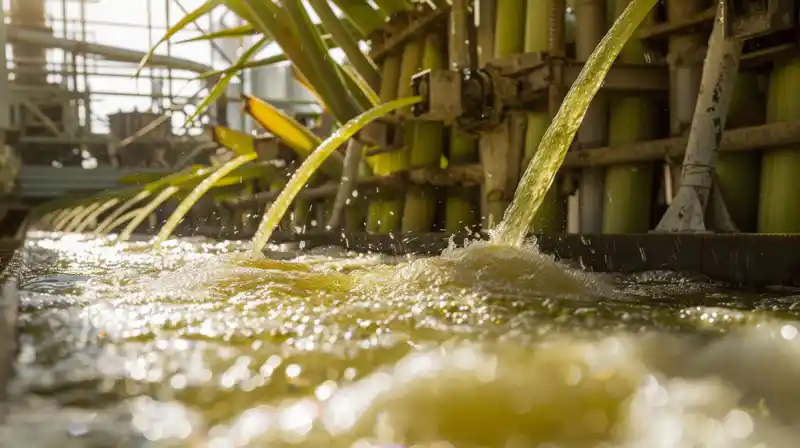
Why Jord C4 grass bioliquid
Engineered for both digesters and soil
This isn’t residual effluent —it’s a deliberately engineered, pumpable feedstock. A COD of 96,000 mg O₂/L andBOD₇ of 68,000 mg/L drive high specific biogas yield, while a balanced macronutrient profile (640 mg/L nitrogen, 150 mg/L phosphorus) supports stable microbial activity in digesters and plant-available nutrients in the field.
Cleaner than slurry, and manure streams
Conventional liquid feedstocks carry the contamination profile of their origin — antibiotics, trace metals, pathogens, salt. Jord's bioliquid is derived from a single, plant-based feedstock grown on degraded land in Senegal and the Dominican Republic. Eurofins analysis confirms heavy metals well below regulated thresholds and no detectable mercury risk.
Year-round supply
Slurry tracks herd dynamics. Food waste tracks municipal contracts. Industrial effluents track production cycles. Jord's bioliquid tracks none of them — produced continuously from perennial C4-grass on a year-round harvest cycle. A feedstock biogas operators can put under long-term contract.
The pumpable, nutrient-dense press liquor of our perennial C4-grass biomass
A dual-use feedstock for anaerobic digestion and regenerative agriculture — delivered in bulk under contract.
Jord's C4 grass bioliquid is the liquid fraction produced during the mechanical pressing of our perennial C4-grass. As the harvested grass is cut, chopped, and pressed to reduce moisture below 50% for solid biofuel use, the expressed liquor is captured, filtered, and stabilised as a stand-alone product — preserving the soluble organics, plant macronutrients, and biologically active compounds released during the press cycle.
The result is a pumpable, biologically rich liquid with two clearly defined applications. In anaerobic digestion, it functions as a high-COD co-substrate that increases specific biogas yield, supports stable reactor conditions, and reduces dependence on contaminated waste streams. In agriculture, it serves as a liquid organic biofertiliser — delivering nitrogen, phosphorus, and a soluble carbon load that improves soil microbial activity and supports yield recovery on degraded land. Both applications are derived from the same feedstock, the same supply chain, and the same Eurofins-verified specification.
Best Use
For anaerobic digestion
→ Biogas plants and industrial anaerobic digesters
→ Co-digestion at wastewater treatment facilities
For agriculture
→ Fertigation and precision irrigation systems
→ Foliar and soil-drench biofertiliser applications
→ Soil regeneration and degraded-land restoration projects
Available in bulk tanker, IBC, and contractually structured volumes for industrial- and agricultural-scale procurement. Contact our sales team for volume pricing, delivery logistics, and application-specific dosing support.
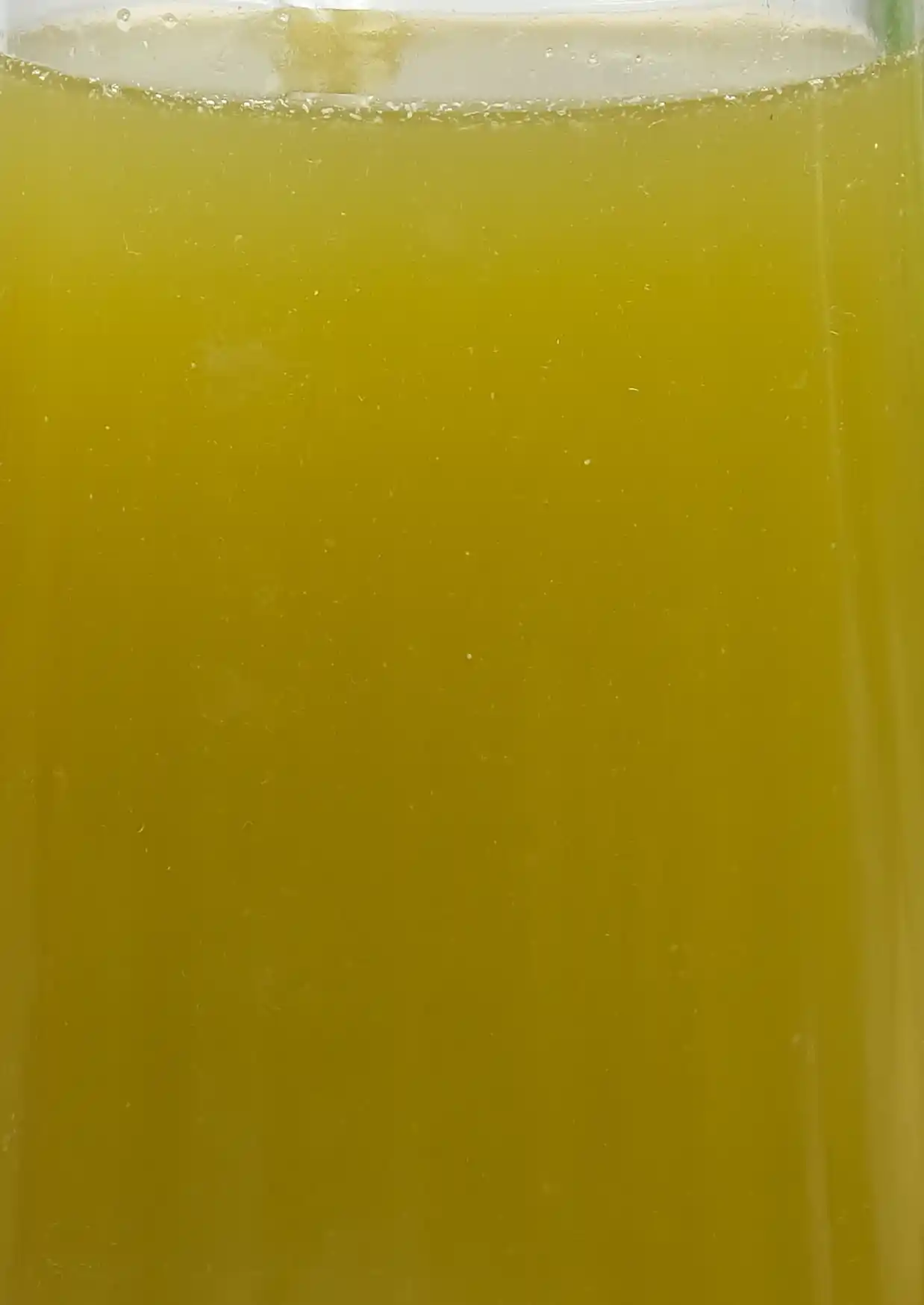

Certified quality. Independently verified




Ready to upgrade your co-substrate mix?
Whether you are looking to lift the methane yield of an existing digester, decouple your biogas operation from contaminated waste streams, replace synthetic nitrogen on degraded farmland, or pilot a liquid biofertiliser at commercial scale, Jord C4 grass bioliquid is available in bulk for industrial- and agricultural-scale procurement. Our team works directly with plant managers, agronomists, and procurement leads to structure supply agreements aligned with your dosing rates, storage configuration, and seasonal application windows.

One feedstock, two buyers: biogas operators and growers
Jord C4-grass bioliquid servestwo core buyers from one supply chain: biodigester and anaerobic-digestionoperators who need a clean, high-COD, contractable co-substrate, and growerswho need a plant-based liquid biofertiliser for regenerative and conventionalfarming. Two further segments — wastewater co-digestion and the widerbioeconomy — extend the same product.

Biogas plant

Regenerative and conventional Agriculture

Wastewater and Bioenergy Co-Processing Facilities

Bioeconomy, Biorefineries and Soil Restoration Projects
Leading companies taking action on industrial decarbonisation

"Partnering with Jord aligns perfectly with the journey towards sustainability. We are aware that there is still a long way to go, but this collaboration marks the beginning of our efforts. It will enable us to achieve our carbon reduction goals and lead the way in sustainable steel construction."

Learn more
Download the C4 Grass Bioliquid Technical Data Sheet
Everything your digester, agronomy, and procurement teams need in one document.
Our technical data sheet provides the full product specification for Jord C4 grass bioliquid — including independently verified Eurofins lab results, applicable international standards, biochemical and nutrient profile, indicative biogas and agricultural dosing guidance, and supply logistics. Designed for biogas plant managers, agronomists, technical buyers, and sustainability teams evaluating liquid feedstock alternatives to slurry, food waste, industrial effluents, and synthetic fertilisers.
Discover Jord’s full range of biofuels alternatives
Pressed grass
Raw C4-grass biomass, mechanically pressed to reduce moisture and chlorine content before distribution. Pressed grass is the most direct form of our biomass feedstock — suitable for industrial combustion systems designed or adapted for non-pelletised solid biofuel. It offers a cost-efficient entry point for large-scale buyers operating facilities with flexible fuel handling capabilities.
Fuel pellets
Jord's fuel pellets are a non-torrefied solid biofuel made from C4-grass, engineered for biomass boilers, industrial heating, and pellet stoves. With a calorific value of ≥18 MJ/t and ultra-low sulfur content, they deliver reliable thermal performance for operations equipped to handle conventional pellet-grade fuel — and a clean substitute for gas and heavy fuel oil in industrial heat applications.
Black pellets
Jord's black pellets are produced through a torrefaction process — heating C4-grass in a low-oxygen environment to create a denser, hydrophobic solid biofuel with a higher energy content than white pellets. Black pellets are compatible with coal handling, storage, and milling infrastructure, making them the preferred choice for coal plant operators pursuing a drop-in fuel transition with minimal capital investment.
Briquettes
Jord's biomass briquettes offer a larger-format solid biofuel solution, compressed from C4-grass for use in industrial furnaces, large biomass boilers, and co-firing applications. Their size and density reduce handling and storage costs relative to loose biomass, while maintaining strong calorific performance. An efficient, scalable option for buyers requiring high-volume thermal energy with a low-carbon footprint.


